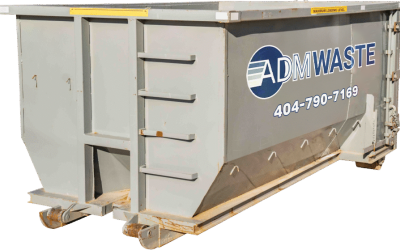
A residential dumpster rental provides one designated place for approved debris generated during a bathroom tear-out. For homeowners and contractors in Peoria, AZ, choosing the container before demolition begins can reduce repeated disposal trips, control debris, and keep work areas more organized.
What Debris Does a Bathroom Tear-Out Produce?
Bathroom renovations can generate more waste than expected because several materials are often installed in layers. Removing a vanity may reveal plumbing connections, wall anchors, damaged drywall, flooring, and baseboards that must also be replaced.
Common bathroom tear-out debris may include:
- Drywall and cement board
- Ceramic or porcelain tile
- Wood cabinets and vanities
- Countertop materials
- Bathtubs and shower surrounds
- Toilets and sinks
- Mirrors and glass
- Flooring and underlayment
- Metal fixtures and plumbing components
- Cardboard and renovation packaging
The exact amount depends on the size of the room and the project scope. Replacing a vanity and floor produces less debris than removing a tiled shower, bathtub, walls, and built-in storage.
Before ordering a container, list every part of the bathroom scheduled for removal. This provides a more realistic estimate than judging the project only by the room’s square footage.
Why Can Disposal Trips Slow Down a Bathroom Project?
Using a pickup truck or trailer may seem manageable at the beginning of a small renovation. However, repeated loading, driving, unloading, and returning to the property can consume work hours that could otherwise be used for demolition or installation.
Disposal trips may also interrupt the order of the project. Contractors might need to stop because debris is blocking a hallway, garage, or driveway. Homeowners may begin stacking materials in temporary areas while waiting for the next trip.
A dumpster rental keeps approved debris at the property until pickup. Workers can remove materials from the bathroom and place them directly into the container rather than loading them into several temporary piles.
This does not eliminate the need for planning. The container must still be sized correctly, loaded within its limits, and used only for accepted materials.
How Should the Right Dumpster Size Be Chosen?
Dumpster size should be based on both volume and weight. A vanity, shower surround, and drywall may take up considerable space, while tile, mortar, concrete board, and stone can add substantial weight without filling the container.
A smaller roll off dumpster rental may be suitable for a partial bathroom update. A full tear-out involving tile walls, flooring, a bathtub, cabinets, and drywall may require more capacity or a different arrangement for dense materials.
Useful information to share with the rental provider includes:
- Approximate bathroom dimensions
- Whether the project is a partial or full tear-out
- Type and amount of tile
- Whether a tub or shower is being removed
- Vanity and countertop materials
- Expected demolition schedule
- Available driveway space
Photographs can help explain the room, but the provider should also receive a written description of heavy materials. Tile and mortar may not appear significant in a photo, yet their weight can affect the recommended container.
Should Tile and Other Heavy Materials Be Separated?
Dense debris may need to be handled differently from lighter renovation waste. Tile, concrete, stone, dirt, and masonry can cause a container to reach its weight allowance before it appears visually full.
Ask the rental provider whether these materials can be mixed with drywall, wood, fixtures, and packaging. In some situations, separating heavy debris from general bathroom waste may be required or more practical.
Create a basic debris plan before demolition:
- Set aside reusable fixtures or materials.
- Separate items requiring special disposal.
- Identify dense tile, mortar, or concrete debris.
- Place approved general renovation waste in the assigned container.
Workers should understand the plan before they begin. Clear instructions reduce the chance that a prohibited or unapproved item is placed in the dumpster.
Where Should the Dumpster Be Positioned?
The placement area should be level, firm, and accessible to the delivery truck. A driveway is often convenient for a bathroom project because it keeps the container near the home without placing it directly beside an active entrance.
The dumpster should not block contractor vehicles, material deliveries, utility equipment, neighboring driveways, or emergency access. Gates, roof overhangs, low branches, parked cars, and overhead lines may also interfere with delivery.
Consider the route between the bathroom and the container. Workers may need to carry debris through hallways, exterior doors, side yards, or garages. The shortest route is not always appropriate if it creates a risk of damaging finished floors or blocking household access.
Protective floor coverings and a clearly marked debris path can help keep the rest of the home cleaner during demolition.
How Should Bathroom Debris Be Loaded?
Load the container gradually as materials are removed. Place flat or bulky approved items along the bottom when possible, then use smaller debris to fill open spaces.
Distribute weight across the container rather than placing all tile or dense debris in one section. Uneven loading can make the load harder to transport.
All materials should remain below the marked fill line. Bathtubs, vanities, boards, or pipes should not extend over the sides or above the top.
Do not climb into the dumpster to compress debris. If the container reaches capacity earlier than expected, contact the provider about pickup, replacement, or another approved solution.
Which Bathroom Materials May Need Separate Disposal?
Some renovation materials should not be placed in a standard residential container without approval. Examples may include paints, solvents, chemicals, batteries, fluorescent bulbs, refrigerants, and other regulated items.
Older homes may also contain materials that require evaluation before demolition. If there is concern about asbestos-containing materials, lead-based coatings, mold, or another hazard, pause the work and consult an appropriately qualified professional.
Mirrors, large glass panels, and certain plumbing or electrical components may also have specific handling requirements. Ask about uncertain materials before placing them in the dumpster.
How Should Delivery and Pickup Match the Renovation Schedule?
Schedule delivery shortly before demolition begins. A container delivered too early may occupy the driveway before it is needed, while late delivery can leave debris accumulating inside the home.
The rental period should cover the main tear-out and cleanup stages. New fixtures, cabinets, and flooring should ideally arrive after most demolition debris has been removed from the work area.
Assign one person to monitor the dumpster and request pickup. This prevents unapproved materials from being added and helps ensure the container does not remain at the property after the driveway is needed for other work.
Start Your Peoria Bathroom Tear-Out With a Disposal Plan
A bathroom renovation can move more efficiently when debris handling is planned before the first fixture or tile is removed. Identify the expected materials, discuss dense debris with the provider, prepare the placement area, and coordinate delivery with the demolition schedule.
Contact a Peoria dumpster provider with photos and a detailed project description before work begins. A well-matched container and clear loading plan can reduce repeated haul trips and help keep the bathroom tear-out organized from demolition through final cleanup.