Quick take:
• Drain clogs, water heater failures, and slow leaks are among the most frequent issues homeowners report to local plumbers.
• Many plumbing problems start small and worsen quickly without inspection, especially in older Englewood homes with aging pipe systems.
• A licensed, local plumber can diagnose the root cause rather than just treating the symptom, which saves money over time.
Most plumbing emergencies in residential properties trace back to a handful of recurring culprits: clogged drains, water heater malfunctions, and hidden leaks. Knowing what causes these issues helps homeowners recognize warning signs before a minor annoyance turns into a costly repair.
Finding a reliable plumber in Englewood CO matters because plumbing problems rarely announce themselves clearly. A slow drain today can mean a fully blocked line next week, and a pilot light that will not stay lit often signals a bigger water heater issue underneath. Local technicians who understand the area’s older housing stock and common pipe materials are better positioned to catch these patterns early.
Drain Clogs and Blockages
Clogged drains rank among the most common service calls for residential plumbers. Buildup from grease, hair, soap residue, and mineral deposits narrows pipe diameter over time until water backs up.
Typical warning signs include:
• Water draining slower than usual in sinks or tubs
• Gurgling sounds coming from pipes
• Recurring clogs in the same fixture despite DIY attempts
• Unpleasant odors near drains
Professional drain cleaning typically involves mechanical snaking or hydro jetting to clear the line fully rather than pushing the blockage further down, which is a common result of store-bought chemical treatments.
Water Heater Failures
A water heater that produces lukewarm water, makes rumbling noises, or leaks from the base usually points to sediment buildup, a failing heating element, or a corroded tank. The U.S. department of energy notes that conventional storage water heaters typically last between 10 and 15 years depending on maintenance and water quality, after which efficiency and reliability tend to decline.
Common water heater issues include:
1. Inconsistent water temperature
2. Discolored or rusty water
3. Pilot light that will not stay lit on gas units
4. Popping or rumbling sounds from sediment buildup
5. Visible leaking around the tank base
Flushing the tank annually to remove sediment can extend a unit’s functional life, though once internal corrosion sets in, replacement is usually more cost-effective than repeated repairs.
Hidden Leaks and Pipe Damage
Leaks inside walls, under slabs, or beneath fixtures are harder to detect than visible drips, but they cause some of the most expensive damage if left unaddressed. Unexplained increases in water bills, musty smells, or soft spots in flooring are frequently the first indicators something is wrong.
| Leak Type | Common Cause | Typical Detection Method |
| Slab leak | Shifting foundation, pipe corrosion | Pressure testing, listening devices |
| Wall leak | Loose fittings, pipe freeze damage | Moisture meters, thermal imaging |
| Fixture leak | Worn washers, seals | Visual inspection |
| Supply line leak | Age, corrosion | Water pressure monitoring |
Older homes in the Englewood area, particularly those with original galvanized or early copper piping, are more prone to corrosion-related leaks as these materials age past their expected service life.
Sewer Line and Backup Issues
Sewer line problems often present as multiple drains backing up simultaneously, which differs from a single clogged fixture. Tree root intrusion, pipe collapse, and bellied lines are frequent causes in established neighborhoods with mature landscaping.
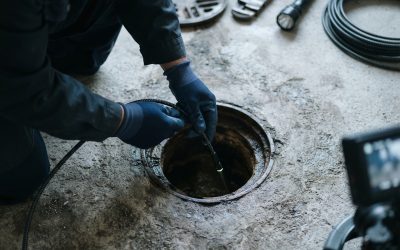
A camera inspection is the standard method plumbers use to pinpoint the exact location and nature of a sewer line issue before recommending repair or replacement, avoiding unnecessary excavation.
Frequently Asked Questions
How do I know if I need a plumber instead of trying a DIY fix? If a problem recurs after you have cleared it, involves more than one fixture, or includes signs like sewage odor or water stains, professional diagnosis is the safer route.
Can hidden leaks really raise my water bill that much? Yes. A continuous slab or pipe leak can waste significant water daily, and the cost adds up well before any visible damage appears.
What is the difference between snaking and hydro jetting a drain? Snaking breaks through or hooks a localized clog, while hydro jetting uses high-pressure water to clear buildup along the full interior wall of the pipe.
How often should a water heater be inspected? An annual check, including a tank flush, helps catch sediment buildup and early corrosion before they cause a full failure.
Plumbing issues tend to escalate quietly, which is why routine inspection and prompt attention to warning signs matter more than reactive fixes. All American Drain Cleaning, Llc serves homeowners dealing with the drain, water heater, and leak issues outlined above, offering diagnostic work grounded in an understanding of the area’s common plumbing patterns. Addressing a small leak or slow drain now is almost always simpler and less costly than waiting for a full breakdown later.