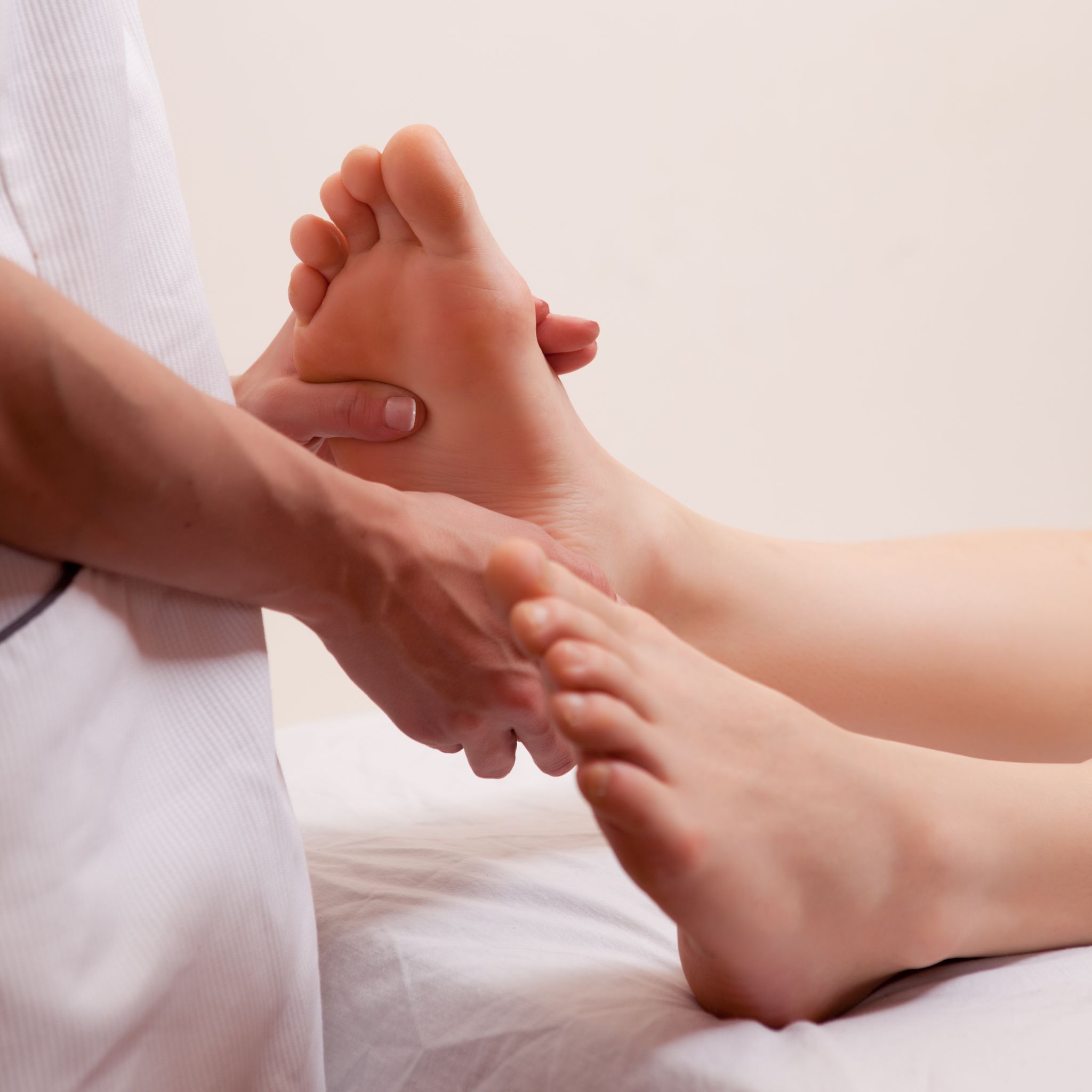
Foot wounds can develop for many reasons, including injury, pressure, circulation concerns, and changes in sensation. However, one factor that is sometimes overlooked is the structure of the foot itself.
The shape and alignment of the bones in the feet influence how weight and pressure are distributed during standing and walking. When certain areas of the foot experience repeated pressure due to bone prominence or structural changes, the skin and underlying tissue may become more vulnerable to irritation.
Understanding the relationship between foot structure and recurring wounds can help individuals recognize why some areas may experience repeated stress and why personalized support may be considered as part of overall foot care.
What Is Bone Prominence and How Does It Affect the Foot?
Bone prominence refers to areas where bones may naturally create increased pressure points because of their position or shape. These areas can experience more stress when walking, standing, or wearing certain footwear.
Common areas where pressure may develop include:
- The ball of the foot
- The sides of the toes
- Areas affected by deformities
- Bony areas with limited cushioning
When pressure repeatedly occurs in the same location, the surrounding tissue may become irritated over time. This is especially important for individuals who have reduced sensation because they may not notice discomfort as quickly.
The relationship between structure and pressure is one reason why evaluating the mechanics of the foot is an important part of understanding recurring wound concerns.
How Foot Structure Influences Pressure Distribution
Every step places force through the feet. A healthy foot distributes this pressure across multiple areas to support balance and movement.
However, changes in foot structure may alter how pressure moves through the foot. Factors that may affect pressure distribution include:
- Foot alignment
- Joint changes
- Deformities
- Muscle imbalance
- Changes in walking patterns
When pressure becomes concentrated in one area, that location may experience repeated stress during everyday activities.
Over time, this repeated pressure may contribute to skin irritation, especially when combined with other factors such as reduced sensation or circulation concerns.
The Role of Diabetes and Neuropathy in Foot Wounds
Individuals with diabetes may have additional risk factors that influence foot health. Diabetes can contribute to nerve changes, which may reduce sensation in the feet.
When sensation is reduced, a person may not immediately recognize:
- Increased pressure from footwear
- Irritated areas of skin
- Minor injuries
- Changes in the condition of the feet
This is why people with diabetes and neuropathy often benefit from regular foot evaluations and monitoring.
A diabetic neuropathy podiatrist Phoenix patients seek can help assess foot structure, sensation changes, and potential risk factors that may contribute to recurring concerns.
How Custom Orthotics May Support Foot Health
Because foot structure influences pressure distribution, some individuals may benefit from personalized support designed around their specific needs.
Custom orthotics are created based on an evaluation of an individual’s foot structure, movement patterns, and areas of pressure. Unlike general inserts, they are designed to provide support based on the unique characteristics of the patient’s feet.
Depending on the situation, custom orthotics may help:
- Improve pressure distribution
- Provide additional support
- Address certain biomechanical concerns
- Improve comfort during movement
Individuals interested in understanding how personalized orthotic devices are designed can learn more about custom orthotics and how they may support different foot conditions.
Why Personalized Support Matters for Wound Prevention
Foot support is not the same for everyone. The right approach depends on factors such as foot shape, activity level, medical history, and the location of pressure points.
For individuals with structural concerns, custom made orthotics may be considered as part of a broader approach to reducing unnecessary stress on specific areas of the foot.
A personalized evaluation may consider:
- Areas where pressure develops
- Walking mechanics
- Foot alignment
- Current symptoms
- Daily activities
Understanding these factors helps create a clearer picture of why certain areas may experience repeated stress.
The Importance of Monitoring Recurring Foot Concerns
A recurring wound or pressure area may indicate that an underlying factor needs to be addressed. While wound care focuses on supporting healing, understanding why the area continues to experience stress is also important.
Possible contributing factors may include:
- Repeated pressure
- Foot structure changes
- Footwear concerns
- Reduced sensation
- Changes in walking patterns
Identifying these factors allows individuals and healthcare providers to discuss appropriate options for protecting long-term foot health.
Supporting Long-Term Foot Health in Phoenix, AZ
The structure of the feet plays an important role in how the body absorbs pressure during everyday movement. When certain areas experience repeated stress, understanding the connection between foot mechanics and wound development can provide valuable insight.
For individuals managing diabetes, neuropathy, or recurring foot concerns, evaluating foot structure may be an important part of maintaining mobility and comfort.
Personalized options such as custom orthotics may be considered when support is needed to address pressure distribution and biomechanical factors. By understanding how the feet function, individuals can make more informed decisions about protecting their foot health.