Summary first:
- Well drilling in New Lenox IL involves site evaluation, permitting, and matching drilling depth to local aquifer conditions before any equipment moves onto the property.
- Illinois well construction is regulated by the state health department, and permits are typically required before drilling begins.
- Working with an experienced local driller helps ensure the well meets code requirements and produces reliable water flow for the property.
Planning a new water well starts with understanding your property’s groundwater conditions, local permitting rules, and what a licensed contractor needs to assess before drilling begins. Homeowners and property developers in Will County who are considering Well Drilling in New Lenox IL should expect a multi-step process that starts long before a drill rig ever touches the ground. Getting familiar with each stage helps set realistic expectations for timing, cost factors, and the paperwork involved.
Understanding the Well Drilling Process
A residential or agricultural well project generally follows a predictable sequence, even though every property has unique soil and rock conditions.
- Site evaluation – A contractor reviews the property’s topography, distance from septic systems, and access points for drilling equipment.
- Permit application – Well permits are filed with the appropriate local health authority before drilling starts.
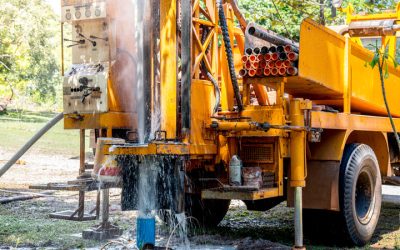
- Drilling and casing installation – The rig bores to the target depth, and steel or PVC casing is installed to protect the well from surface contamination.
- Pump installation and testing – Once the well is complete, a pump system is installed and the water is tested for yield and quality.
Each step depends on accurate information gathered during the initial site visit, which is why an in-person assessment matters more than a phone estimate.
Permitting and Regulatory Requirements in Illinois
Illinois treats private water wells as a public health matter, which means construction standards are set at the state level rather than left entirely to local discretion. The Illinois Department of Public Health administers water well construction rules that cover casing depth, grouting, and setback distances from potential contamination sources. Well contractors operating in the state are required to hold a license and follow these construction codes on every project.
Homeowners should also confirm whether their specific municipality or county adds any additional requirements on top of the state code. In many cases, the well contractor handles permit filing directly, but property owners should still ask to see a copy of the approved permit before drilling begins. Skipping this step can create problems later if a well needs to be sold, refinanced, or inspected.
Choosing the Right Well Type and Depth
Not every property needs the same kind of well, and depth requirements vary based on the depth of the local aquifer and the geology beneath the site.
| Well Type | Typical Use Case | Key Consideration |
|---|---|---|
| Drilled well | Long-term residential or commercial water supply | Requires casing and grouting per state code |
| Driven point well | Shallow water table areas, smaller-scale use | Less suited to rocky or deep aquifer regions |
| Replacement well | Aging or failing existing wells | May require decommissioning the old well |
A qualified driller determines the right approach by reviewing nearby well logs and geological survey data for the area, rather than guessing based on surface conditions alone. This step reduces the risk of drilling to an insufficient depth or hitting an aquifer with poor water quality.
Water Testing and Long-Term Maintenance
Once a well is drilled and the pump is operating, water quality testing confirms the supply is safe for its intended use. Basic testing typically checks for bacteria, nitrates, and mineral content, and results guide whether additional treatment equipment is needed. Regular retesting, generally recommended on an annual basis, helps catch changes in water quality before they become a larger issue.
Maintenance after installation is just as important as the initial drilling work. Property owners should keep records of the well’s depth, casing type, and pump specifications, since this information speeds up future repairs or troubleshooting. A well that is properly maintained and periodically inspected tends to perform more consistently over its service life than one that is left unchecked for years at a time.
Frequently Asked Questions
How deep does a well need to be drilled in this area? Depth depends on local aquifer conditions and geology, which is why a site-specific evaluation is necessary rather than relying on a general depth estimate.
Do I need a permit before drilling a well? Yes, Illinois requires a permit through the appropriate health authority before well construction begins, and the contractor typically manages this filing.
How long does a typical well drilling project take? Timelines vary based on depth, soil conditions, and permitting turnaround, so a contractor can provide a more specific estimate after the site evaluation.
What happens after the well is drilled? The pump system is installed, the water is tested for quality and yield, and the property owner receives documentation of the well’s specifications.
Planning ahead for permitting, site evaluation, and water testing helps property owners avoid delays once drilling equipment is scheduled. Property owners in the area who want a professional site assessment can review the services offered by K & K Well Drilling to understand what a project-specific evaluation involves before committing to a timeline.