Many people assume that once an injury heals, the body completely returns to its previous state. However, old injuries can sometimes continue influencing posture, mobility, and movement patterns long after the initial discomfort has improved.
The body is highly adaptable, and when one area experiences pain or limited function, other areas may adjust to compensate. These changes can become lasting habits that affect how a person stands, walks, works, or performs physical activities.
Understanding the connection between past injuries and current movement patterns can help individuals recognize why certain areas may feel restricted or uncomfortable years later.
How the Body Adapts After an Injury
When an injury occurs, the body naturally attempts to protect the affected area. This may involve reducing movement, shifting weight, or changing how certain muscles are used.
For example, someone recovering from a leg injury may unconsciously place more weight on the opposite side of the body. A person with a previous shoulder injury may adjust their posture to avoid certain movements. While these changes may be helpful during recovery, they can sometimes remain even after the original injury has improved.
Over time, these adaptations may influence muscle balance, joint mobility, and overall posture.
Why Compensation Patterns Can Become Long-Term Habits
The nervous system plays an important role in how the body learns movement. Repeated patterns become familiar, and the body may continue using them even when they are no longer necessary.
Some common examples include:
- Favoring one side while standing or walking
- Holding tension in certain muscle groups
- Avoiding specific movements
- Developing uneven posture habits
These patterns may not always create noticeable problems immediately. However, as people age, increase activity levels, or experience new physical demands, previous compensations may become more apparent.
A chiropractor often evaluates these movement patterns to better understand how different areas of the body work together.
The Relationship Between Injuries and Posture Changes
Posture is influenced by more than simply how someone sits or stands. It is also affected by joint mobility, muscle strength, flexibility, and movement habits.
An old injury may contribute to changes such as:
- Forward head positioning
- Rounded shoulders
- Uneven hip alignment
- Limited spinal movement
- Altered walking patterns
These changes can develop gradually, making it difficult for individuals to identify the original cause. Many people focus only on where discomfort appears rather than considering how previous injuries may have affected their overall movement.
How Chiropractic Treatment Evaluates Movement Patterns
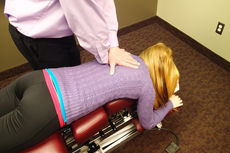
Chiropractic treatment often focuses on understanding the relationship between the spine, joints, muscles, and movement patterns. Rather than looking only at a specific area of discomfort, chiropractors may evaluate how the entire body functions together.
During an assessment, a chiropractor may examine posture, range of motion, and physical habits that could contribute to movement limitations. This information can help determine which areas may need support.
For individuals seeking information about improving posture and movement in New York, NY, they may explore how Uemura Chiropractic approaches correcting posture chiropractic by evaluating contributing factors instead of focusing only on symptoms.
Why Posture Correction Requires More Than Temporary Adjustments
Improving posture is often a gradual process because posture reflects daily habits developed over time. Simply trying to “sit up straight” may not address the reasons behind certain positioning patterns.
Long-term improvements often involve understanding:
- How the body moves during daily activities
- Which muscles may need strengthening or mobility support
- How previous injuries influence movement
- Which habits may contribute to recurring strain
A posture corrector chiropractor may focus on identifying the factors that influence alignment and movement rather than relying on external reminders alone.
Building Better Movement Habits After Previous Injuries
People with a history of injuries can benefit from paying attention to how they move throughout the day. Small changes, such as improving workstation setup, incorporating mobility exercises, and maintaining balanced activity, may support healthier movement patterns.
It is also important to recognize that every injury affects the body differently. A previous sports injury, workplace strain, or accident may create unique adaptations depending on the individual’s recovery process and daily activities.
The Importance of Understanding the Whole Body
Old injuries can leave behind movement patterns that continue shaping how the body functions. Even when pain is no longer present, changes in posture, flexibility, and mobility may remain.
By understanding how the body adapts and compensates, individuals can take a more informed approach to maintaining movement quality. Chiropractic care focuses on evaluating these connections and helping people better understand how their bodies work.
Recognizing the influence of previous injuries is an important step toward supporting healthier posture, improved mobility, and more balanced movement over time.