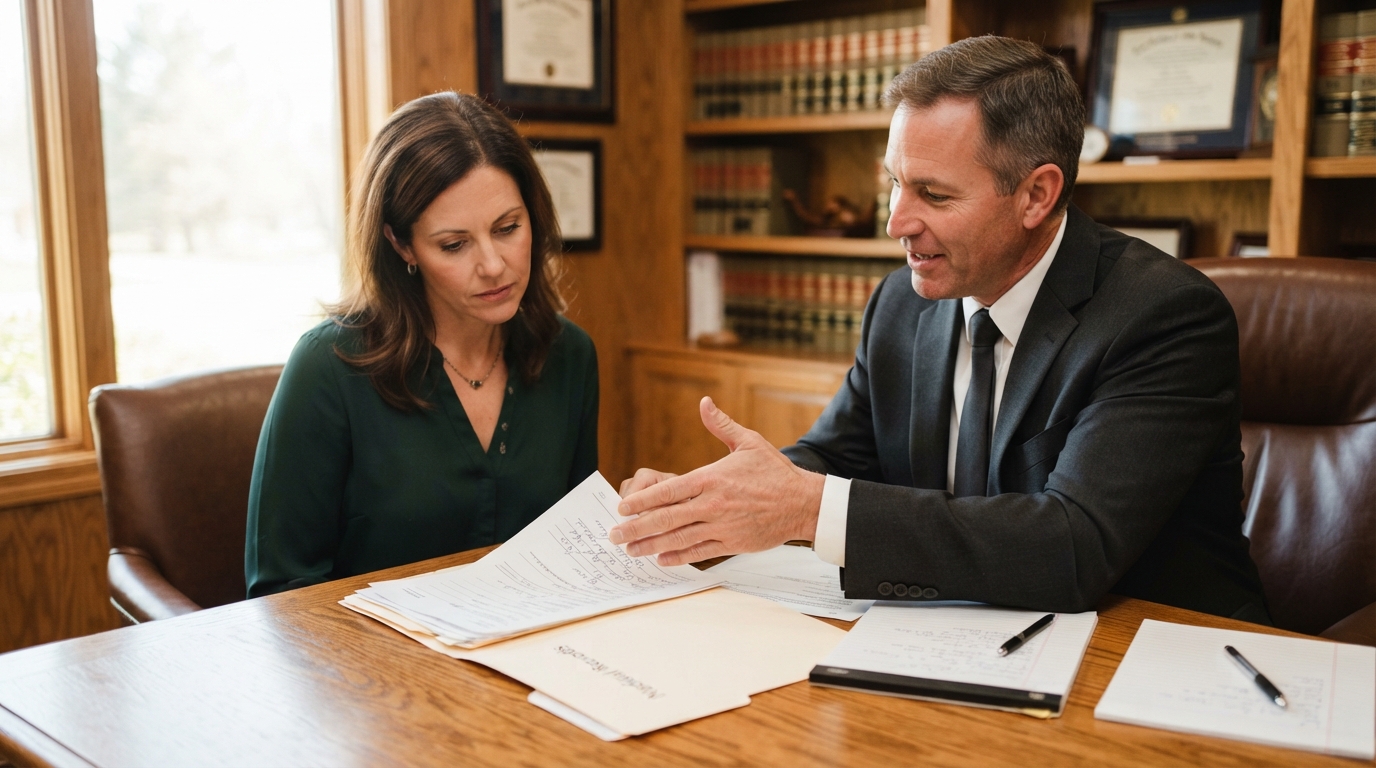
Quick summary:
• A Personal Injury Lawyer helps accident victims document losses, communicate with insurers, and pursue compensation for injuries caused by another party’s negligence.
• Colorado applies a modified comparative negligence rule and distinct filing deadlines depending on the type of claim.
• Case types commonly handled include car accidents, motorcycle and pedestrian accidents, slip and falls, and traumatic brain injury claims.
Anyone hurt because of another person’s carelessness faces practical questions almost immediately: who pays the medical bills, how long is there to file a claim, and what happens if fault is shared. A personal injury lawyer generally helps evaluate these questions by reviewing the facts of an incident, identifying applicable deadlines, and communicating with insurance adjusters on a client’s behalf.
Legal representation becomes especially relevant once an insurance company disputes liability or offers a settlement that does not reflect the actual cost of an injury. Attorneys who focus on this area typically handle claims such as car and motorcycle accidents, pedestrian incidents, slip and falls, and traumatic brain injuries, matching the case types most commonly cited by firms serving the Denver metro area.
How Colorado Law Shapes a Personal Injury Claim
Colorado’s injury laws set firm boundaries around timing and fault that directly affect how a claim is built and valued.
• Filing deadlines vary by claim type. Motor vehicle collisions carry a three-year statute of limitations, while most other negligence claims, including slip-and-falls and premises liability, must be filed within two years, according to Colorado statute of limitations guidance.
• Shared fault can reduce or eliminate recovery. Colorado follows modified comparative negligence, meaning a person can still recover if their share of fault is less than 50 percent, with the award reduced by their percentage of fault; a person found 50 percent or more at fault recovers nothing.
• Claims against government entities move faster. Under the Colorado Governmental Immunity Act, written notice must be provided within 182 days after discovery of the injury, and claims must still be filed within two years from the date of the injury.
These rules mean that early documentation, from photos to medical records, often matters more than people expect, since evidence gathered soon after an incident can affect how fault is later assigned.
What a Personal Injury Lawyer Typically Handles
Legal support in these cases generally centers on a few recurring tasks rather than a single service.
1. Case evaluation – reviewing the circumstances of an accident to determine whether negligence likely contributed to the injury.
2. Insurance communication – managing correspondence with adjusters, since insurers often attempt to minimize payouts or dispute responsibility.
3. Damage documentation – compiling medical bills, lost wages, and related records to support a claim.
4. Claim negotiation or litigation – pursuing a resolution through settlement discussions or, when necessary, a formal lawsuit.
Case types commonly addressed under this kind of representation include bike accidents, car accidents, motorcycle accidents, pedestrian accidents, truck accidents, and traumatic brain injury claims.
Comparing Claim Types and Typical Filing Windows
| Claim Type | Filing Deadline | Key Consideration |
| Motor vehicle accident | 3 years from the incident | Longer window than most other injury claims |
| Slip and fall / premises liability | 2 years from the incident | Evidence preservation is time-sensitive |
| Claim against a government entity | 182-day notice, then 2 years | Notice requirement is separate from the filing deadline |
This comparison illustrates why confirming the applicable deadline early in a case is a practical first step rather than an afterthought.
Why Local Context Matters in Highlands Ranch, CO
Residents of Highlands Ranch, CO navigate the same Colorado statutes described above, but local traffic patterns, seasonal road conditions, and regional insurance practices can shape how a claim unfolds. Based in USA, The Boyle Law Firm serves customers across Highlands Ranch, CO, applying the same statutory framework that governs injury claims throughout the state. Understanding how comparative fault and filing deadlines apply to a specific incident is often the difference between a claim that proceeds smoothly and one that stalls over technical disputes.
Frequently Asked Questions
How long do I have to file a personal injury claim in Colorado? Motor-vehicle torts get the longer three-year window, while ordinary negligence claims generally follow a two-year deadline.
Can I still recover compensation if I was partly at fault? Colorado uses modified comparative negligence, so recovery is possible as long as a person’s share of fault is less than 50 percent, with the award reduced by that percentage.
What types of injury cases are commonly handled? Commonly handled matters include car accidents, motorcycle accidents, pedestrian accidents, slip and falls, and traumatic brain injury claims, consistent with the practice areas listed for firms serving the Denver metro region.
Does a cap apply to compensation in Colorado? For claims accruing on or after January 1, 2025, the noneconomic damages cap is 1.5 million dollars, with inflation adjustments beginning in 2028.
Business Info
The The Boyle Law Firm Google Business Profile lists representation for personal injury matters including car accidents and related negligence claims serving the Denver metro area.
Current contact and service area details for The Boyle Law Firm are published for review online.