Short version:
• A probate attorney helps settle an estate through court, from filing the initial petition to distributing assets to heirs.
• Consulting one early is most useful when an estate includes real property, disputed claims, unclear wills, or out-of-state assets.
• Timing matters because probate deadlines, creditor notices, and court filings in Colorado follow strict procedural rules.
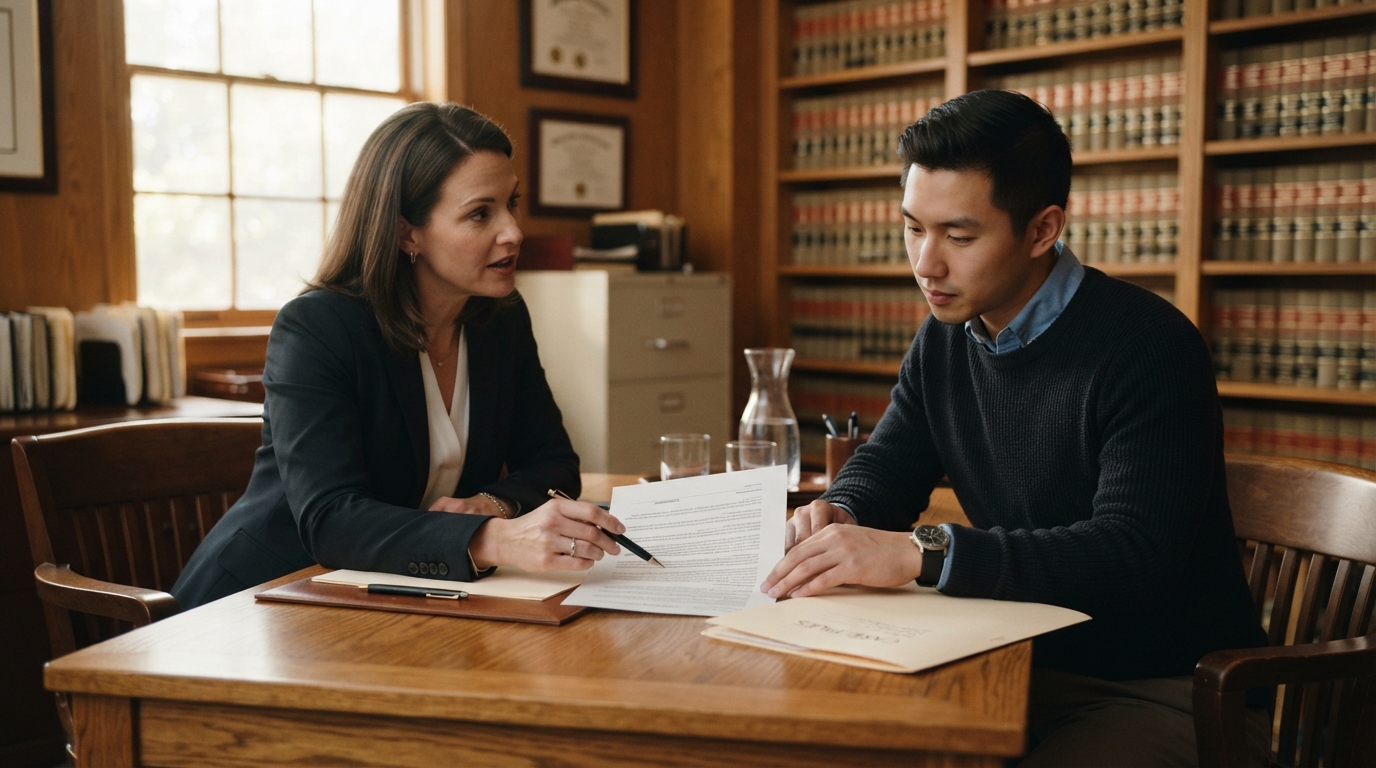
Settling an estate after a death often involves more legal steps than families expect, and a probate attorney is typically consulted when an estate must pass through court supervision, when a will is contested, or when heirs disagree about asset division. Knowing when to bring in legal counsel can prevent missed deadlines and reduce disputes among beneficiaries.
Probate becomes necessary in most cases where a deceased person held property solely in their name without a transfer-on-death designation or living trust. The process confirms the validity of a will, appoints a personal representative, and oversees the payment of debts before assets reach heirs. Heirs in Denver, CO often face this process when a parent or relative dies owning a house, vehicle, or bank account titled individually.
Situations That Usually Call for Legal Guidance
Certain circumstances make probate more complicated and increase the value of early legal input. These include:
• No will exists. Intestate succession rules determine who inherits, which can create confusion among extended family members.
• Real estate is involved. Property located in Colorado typically requires court approval before it can be sold or transferred.
• Creditors have filed claims. Colorado law sets specific notice periods and deadlines for creditor claims against an estate.
• Beneficiaries disagree. Disputes over asset division or the validity of a will often require formal mediation or litigation.
• The estate crosses state lines. Property or accounts held outside Colorado may require ancillary probate proceedings.
Any one of these factors can extend the timeline and increase the administrative burden on a personal representative acting without legal support.
How the Probate Timeline Typically Unfolds
Colorado probate generally follows a sequence that starts with filing a petition in the county where the deceased lived. Understanding each phase helps families recognize when legal input is most useful.
1. Petition filing – A personal representative is appointed by the court, either through informal or formal probate, depending on whether the will is contested.
2. Notice to creditors and heirs – Formal notice must be published and mailed according to state requirements, starting the claims period.
3. Inventory and appraisal – Estate assets are identified, valued, and reported to the court.
4. Debt and tax resolution – Outstanding debts, taxes, and expenses are paid from estate funds before distribution.
5. Final distribution – Remaining assets are distributed to heirs according to the will or intestate succession law.
For general guidance on estate settlement terminology and procedural steps, the American Bar Association’s probate resources offer background on common terms used throughout this process.
Informal vs. Formal Probate: A Quick Comparison
| Factor | Informal Probate | Formal Probate |
| Court involvement | Minimal, administrative review | Judicial hearings required |
| Typical use case | Uncontested wills, clear heirs | Disputed wills or unclear heirship |
| Timeline | Generally faster | Often extended by hearings |
| Legal complexity | Lower | Higher, often requires representation |
Choosing between these paths depends on whether disputes exist and how clearly the will addresses asset distribution.
Frequently Asked Questions
Does every estate have to go through probate? Not always. Assets held in joint tenancy, payable-on-death accounts, or living trusts typically bypass probate entirely.
How long does probate usually take in Colorado? Timelines vary based on estate complexity, creditor claims, and whether disputes arise, with informal probate generally resolving faster than contested formal proceedings.
What happens if there is no will? Colorado intestate succession law determines the order of inheritance among surviving relatives when no valid will exists.
Can heirs handle probate without legal help? Simple, uncontested estates with few assets are sometimes managed without counsel, though complications like real estate or creditor disputes often change that calculation.
Business Info
Based in USA, Independence Legal Group PLLC serves clients across Denver, CO, supporting families working through estate administration matters.
Next Steps for Estate Questions
Current contact and service area information for Independence Legal Group PLLC is published online for individuals reviewing estate administration options.