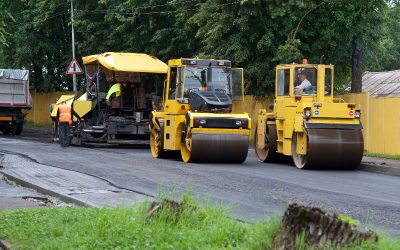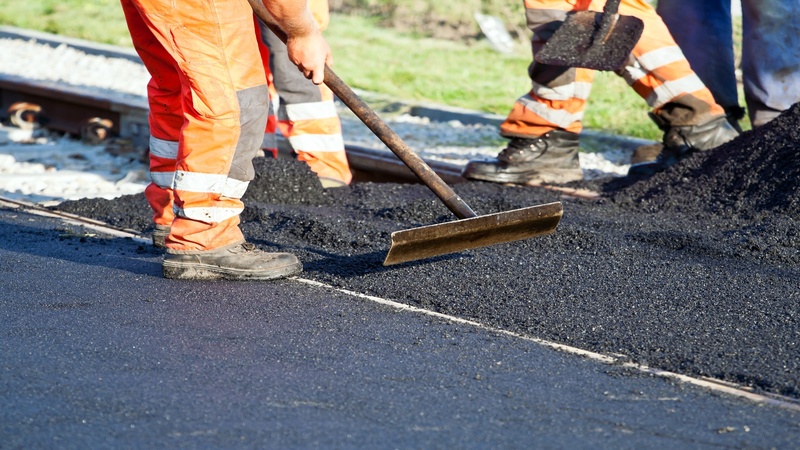
Hiring the right commercial paving contractor is an important decision for property managers responsible for maintaining safe, accessible, and professional-looking commercial properties. Parking lots, access roads, loading areas, and paved surfaces all play a major role in daily operations, customer experience, and long-term property value.
In a growing market like Phoenix, commercial properties experience constant traffic, extreme temperatures, and ongoing wear that can impact asphalt performance over time. Choosing qualified commercial paving contractors helps property managers reduce long-term maintenance issues while improving pavement durability and safety.
Before moving forward with a paving project, property managers should understand several key factors that influence project quality, scheduling, and long-term pavement performance.
Understand the Scope of the Paving Project
One of the first steps before hiring a commercial paving contractor is understanding the specific needs of the property. Commercial paving projects can vary significantly depending on the condition of the asphalt, traffic volume, drainage concerns, and property usage.
Some projects may involve:
- New parking lot installation
- Asphalt resurfacing
- Parking lot expansion
- Pothole repair
- Crack sealing
- Sealcoating
- ADA accessibility updates
- Drainage improvements
- Parking lot striping
Clearly identifying the scope of work helps property managers communicate expectations more effectively during the contractor selection process.
For larger commercial properties, paving projects may also require phased scheduling to minimize disruptions for tenants, employees, and customers.
Evaluate Experience with Commercial Properties
Commercial paving differs significantly from residential asphalt work. Commercial properties often experience heavier traffic loads, larger paved areas, and stricter accessibility requirements.
Property managers should look for commercial paving contractors with experience handling projects such as:
- Retail shopping centers
- Office complexes
- Apartment communities
- Industrial facilities
- Medical buildings
- Warehouses
- Schools and churches
Each property type presents unique paving challenges related to traffic flow, drainage, and operational scheduling.
Experienced contractors typically understand how to coordinate paving work around active business operations while maintaining safe access throughout the project.
Proper Site Preparation Is Critical
One of the most important aspects of any asphalt paving project happens before the asphalt is even installed. Proper site preparation directly affects the lifespan and performance of the finished surface.
Commercial paving contractors should evaluate factors such as:
- Soil stability
- Base layer condition
- Existing pavement damage
- Drainage patterns
- Slope grading
- Water runoff management
Poor site preparation can lead to premature cracking, potholes, drainage issues, and structural failure.
In Phoenix, extreme heat and seasonal monsoon storms place additional stress on asphalt surfaces. Proper grading and drainage design help protect paved areas from moisture-related deterioration and surface erosion.
Property managers should ensure contractors discuss the condition of the existing foundation before recommending resurfacing or replacement solutions.
Understand the Importance of Drainage
Drainage problems are one of the leading causes of commercial asphalt deterioration. Water that pools on the pavement surface can weaken the foundation beneath the asphalt, leading to cracks, potholes, and uneven surfaces.
Commercial paving contractors should evaluate drainage carefully before beginning any paving work. This may involve adjusting grading, improving water flow patterns, or installing drainage systems where necessary.
Parking lots with standing water not only deteriorate more quickly but can also create safety concerns for pedestrians and drivers.
Addressing drainage during the paving process helps extend pavement lifespan and reduce future maintenance costs.
Review Scheduling and Business Accessibility Plans
Commercial paving projects can impact customer access, parking availability, and business operations if not properly coordinated. Property managers should discuss project scheduling in detail before work begins.
Important questions may include:
- Will the project be completed in phases?
- How will traffic be redirected during construction?
- Will access remain available for tenants and customers?
- What are the expected completion timelines?
- How will weather delays be handled?
Experienced commercial paving contractors typically develop traffic management and scheduling plans designed to reduce disruptions during the project.
For busy commercial properties in Phoenix, maintaining operational accessibility throughout paving work is often a major priority.
Ask About Maintenance Planning
Commercial asphalt surfaces require ongoing maintenance to maximize longevity and performance. Property managers should discuss long-term maintenance recommendations before finalizing a paving project.
Preventative maintenance may include:
- Crack sealing
- Sealcoating
- Parking lot striping
- Asphalt patching
- Surface inspections
Routine maintenance helps reduce the likelihood of larger structural repairs in the future.
Commercial paving contractors often provide guidance on recommended maintenance schedules based on traffic conditions, pavement age, and environmental exposure.
Understanding long-term maintenance expectations helps property managers budget more effectively for future pavement care.
Safety and ADA Compliance Considerations
Commercial parking lots must support safe vehicle and pedestrian movement while also meeting accessibility standards. Property managers should ensure paving contractors understand ADA-related requirements for commercial properties.
Important accessibility considerations may include:
- ADA-compliant parking spaces
- Proper access aisle dimensions
- Smooth pedestrian walkways
- Safe curb ramp transitions
- Clear parking lot striping
- Proper signage placement
Uneven pavement, poor striping visibility, and drainage problems can create liability concerns for commercial properties.
Professional paving contractors typically evaluate accessibility needs during the planning process to help ensure paved surfaces remain safe and functional for all visitors.
Communication Matters During Commercial Projects
Clear communication throughout the paving process is essential for successful project coordination. Property managers often oversee multiple vendors, tenants, and operational responsibilities simultaneously.
Commercial paving contractors should provide clear timelines, project updates, and expectations regarding traffic impacts or scheduling adjustments.
Businesses working with a trusted professional asphalt service provider in Phoenix, AZ can better evaluate paving needs while planning projects that align with property operations and long-term maintenance goals.
Long-Term Planning Supports Better Pavement Performance
Commercial asphalt paving is a long-term investment that affects property appearance, accessibility, and safety. Hiring experienced commercial paving contractors helps property managers make informed decisions that support both immediate operational needs and long-term pavement performance.
By evaluating project scope, drainage conditions, accessibility requirements, and maintenance planning before hiring a contractor, property managers can reduce future repair costs and improve overall pavement reliability.
In Phoenix, where commercial properties experience constant traffic and environmental exposure, proactive paving management plays an important role in protecting commercial infrastructure and maintaining positive experiences for tenants, employees, and visitors.